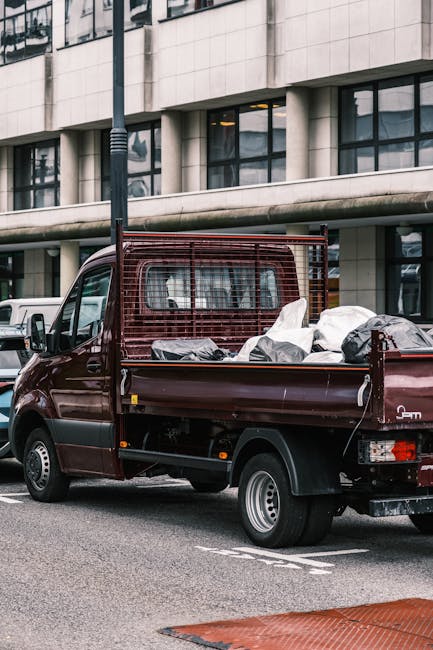
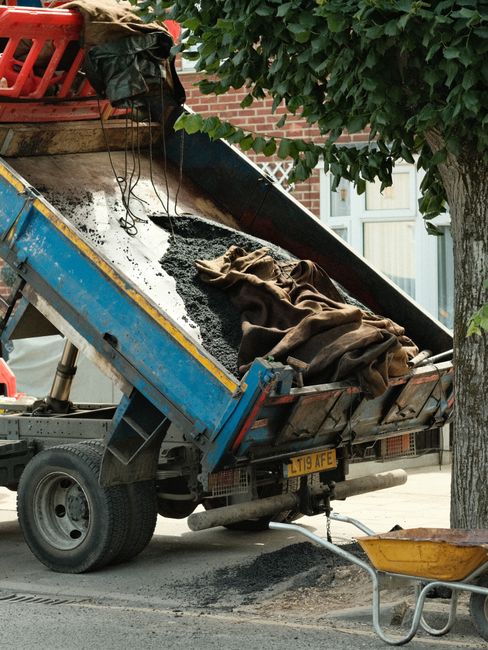
Skip vs Van: Best Option for SE23 Garden Waste Clearance
If you're clearing garden waste in SE23, the big question is usually simple: should you book a skip or go with a van clearance service? On paper, both solve the same problem. In real life, they feel very different. A skip sits outside your property and waits. A van arrives, loads quickly, and leaves. The right choice depends on space, timing, volume, access, and how hands-on you want the job to be.
This guide breaks down Skip vs Van: Best Option for SE23 Garden Waste Clearance in plain English. We'll look at how each option works, who it suits, where the hidden costs can creep in, and what makes the most sense for typical South East London gardens. Whether you're dealing with a single hedge cut, a post-renovation tidy-up, or a proper back-garden overhaul, you should come away with a confident decision.
And to be fair, when the garden looks like it has had a rough winter and there's green waste everywhere, the last thing you want is a messy booking process. You want the least hassle. Let's work out which route gives you that.
For broader property clear-outs, it can also help to know the local team handles a range of services such as garden clearance, waste removal, and even larger domestic jobs like home clearance or house clearance.
Table of Contents
- Why the choice matters for SE23 garden waste
- How skips and van clearances work
- Key benefits and practical advantages
- Who this is for and when it makes sense
- Step-by-step guidance
- Expert tips for better results
- Common mistakes to avoid
- Tools, resources and recommendations
- Law, compliance, standards, or best practice
- Options, methods, or comparison table
- Case study or real-world example
- Practical checklist
- Conclusion
- Frequently Asked Questions
Why Skip vs Van: Best Option for SE23 Garden Waste Clearance Matters
Garden waste is one of those jobs that looks manageable until you start bagging it up. Then you realise there are branches, soil, ivy, leaves, turf, old plant pots, broken fencing offcuts, and maybe a bit of everything else tucked behind the shed. In SE23, where access can be tight and streets can get busy, choosing the wrong clearance method can turn a tidy-up into a headache.
The difference between a skip and a van is not just about transport. It affects where the waste sits, how long it stays there, how much labour is involved, and whether your neighbours end up stepping around a container for two days longer than necessary. If you have a narrow drive, shared access, permit concerns, or limited parking, those details matter quite a bit.
There's also the human side of it. People often want the garden back quickly. Maybe you've got family coming over at the weekend. Maybe you just want the patio clear before the first proper warm evening of the year. Either way, the pace of the job matters. A van service can feel almost immediate. A skip tends to be slower, more static, and slightly more of a commitment.
In neighbourhoods like Forest Hill, Dulwich borders, and the surrounding SE23 streets, practicality usually wins over theory. The "best" option is the one that fits your space, your timescale, and your tolerance for inconvenience. Simple as that.
How Skip vs Van: Best Option for SE23 Garden Waste Clearance Works
A skip service works by dropping a container outside your home or on private land, then collecting it once you have filled it. That suits people who want to chip away at a clearance over a few days. It can be useful if you are doing the work yourself, because the waste can go straight into the skip as you go.
A van clearance service works differently. The team arrives, loads the garden waste for you, and takes it away in one visit. This is usually better if you want the area cleared quickly or if the waste is awkward to move. Heavy soil, tangled branches, wet hedge cuttings, and thorny clippings are much easier when someone else does the lifting. Not glamorous, but very handy.
One key difference is flexibility. A skip is fixed in place. If access changes, or the pile ends up in the wrong corner, you can't exactly move it around the street. A van can usually park, load, and leave without turning your front garden into a temporary depot.
Another thing worth thinking about is load handling. With a skip, you do the lifting. With a van, the clearance team handles the lifting and stacking. That sounds minor until you're halfway through dragging damp hedge cuttings through a side passage and thinking, "Why did I think this would be fine?"
If your project involves mixed waste beyond the garden itself, it may make sense to compare it with other property services such as garage clearance, loft clearance, or furniture disposal, especially if you're combining several jobs into one tidy-up.
Key Benefits and Practical Advantages
Both options have strengths. The trick is knowing which strengths actually help your situation.
Why a skip can work well
- You can fill it gradually over several days.
- It is useful for planned DIY garden projects.
- It can suit larger, ongoing clear-outs where waste appears in stages.
- You can keep waste on site until you are ready for collection.
Why a van clearance can work well
- The waste is removed fast, often in a single visit.
- You do not have to load everything yourself.
- It can suit tight access and parking-limited streets.
- You avoid having a container sitting outside for longer than necessary.
For SE23 residents, the practical advantage of a van often comes down to convenience. A garden clearance can be finished in a morning, and that matters if the weather turns or your weekend plans are already packed. A skip is less hands-off, but can be useful if you genuinely need time to sort through the waste.
There's also the issue of appearance. A skip outside the house is visible. No one loves waking up to a big metal box on the pavement, especially if space is already tight. A van service tends to feel cleaner and more discreet. Not always cheaper, not always better, but often less disruptive.
Expert summary: If your garden waste is ready to go and access is awkward, a van usually wins. If you are clearing gradually and have space to place a container safely, a skip may be the better fit.
Who This Is For and When It Makes Sense
This choice matters most if your garden clearance falls into one of these situations:
- You have trimmed trees, hedges, or shrubs and need bulky green waste removed.
- You are clearing an overgrown garden after a long period of neglect.
- You are preparing outdoor space for sale, rental, or a family event.
- You are juggling limited parking, narrow access, or shared driveways.
- You want the job finished quickly with minimal disruption.
A skip can make sense for homeowners who are doing the clearance themselves and are happy to work over time. It is also useful if waste will keep building up as you prune, dig, and sort. People renovating a garden in stages often like that control.
A van service is usually the better fit for people who want speed, help with lifting, or a single neat removal. It suits busy households, older residents, landlords between tenancies, and anyone who looks at a huge pile of brambles and thinks, "Nope, not doing that twice."
Garden waste is not always just garden waste, either. Sometimes there are broken trellises, old planters, storm-fallen branches, sacks of soil, or odd debris from previous work. If the pile is mixed and awkward, a van service is often easier to manage.
Step-by-Step Guidance
If you want to choose sensibly, do it in a calm order. A rushed decision is where people usually overspend or regret the format they picked.
- Estimate the waste volume. Look at the pile as a whole, not just the first visible layer. Garden waste expands fast once bagged.
- Check access. Measure the route from the garden to the front, side gate, or parking spot. Narrow passages change everything.
- Think about timing. Do you want a same-day clear-out, or can waste sit for a few days?
- Separate the material. Keep green waste, timber, soil, and general rubbish apart if possible. It makes the job cleaner.
- Compare labour needs. If the waste is heavy, thorny, wet, or scattered, a van service may save you a sore back and a bit of swearing.
- Factor in disruption. Skips take space. Vans take time. Which one bothers you less?
- Book the option that matches reality. Not the one that sounds cleverest on paper.
One small but useful habit: take a quick photo of the pile before you book. It helps you assess volume properly and avoids those awkward moments where a "small tidy-up" somehow turns into a mountain. Happens all the time, honestly.
If you are unsure whether this is part of a wider property job, it may help to look at related services like furniture clearance or flat clearance if the outdoor work is linked to moving out, refurbishing, or decluttering.
Expert Tips for Better Results
Here's where a few practical details can save time and avoid annoyances.
1. Match the service to access, not just volume
A medium-sized waste pile can still be a nightmare if it has to be carried through a narrow side return or down a shared path. In SE23, access often matters more than raw volume.
2. Keep soil separate if you can
Heavy soil is a different beast from light hedge cuttings. It affects loading and can change how the job is priced or managed. Keep it grouped together so there are no surprises.
3. Cut long branches down before collection
Long branches look tidy in the garden, but awkwardly long pieces waste space in both skips and vans. A few minutes with loppers can make the load much more efficient.
4. Clear a loading route first
Move bikes, plant pots, hose pipes, and patio furniture out of the way. It sounds obvious, yet it saves a lot of back-and-forth when the team arrives.
5. Ask about recycling approach
Garden waste is often suitable for composting or other recovery routes when handled properly. If sustainability matters to you, ask how the waste is sorted after collection. A sensible provider should be able to explain this in straightforward terms. For more on that mindset, see recycling and sustainability.
Truth be told, the neatest jobs are usually the ones where the homeowner spent ten minutes preparing before the team arrived. It sounds boring. It works.
Common Mistakes to Avoid
A lot of frustration in garden waste clearance comes from avoidable mistakes. Nothing dramatic. Just little things that snowball.
- Choosing a skip because it feels simpler. Sometimes it is simpler. Sometimes it just sits there while you slowly regret the space it is taking up.
- Underestimating access issues. A van may be ideal, but only if the vehicle can actually park close enough to load.
- Mixing waste without checking. Green waste and general rubbish are not always treated the same way.
- Leaving collection preparation until the last minute. A blocked path or locked side gate can delay the whole job.
- Ignoring site rules or neighbour considerations. Shared drives and narrow roads need a bit of courtesy and planning.
Another common mistake is assuming the cheapest option is always the best one. It rarely is. A cheap skip that blocks your pavement or a low-cost van job that needs repeated visits can end up feeling expensive in the worst possible way.
Tools, Resources and Recommendations
You do not need special equipment to make a garden clearance go well, but a few basic tools help a lot.
- Heavy-duty garden bags for smaller cuttings and leaves.
- Loppers or secateurs for reducing branch length.
- Gloves for thorny hedges, brambles, and rough timber.
- A rake to gather loose debris before loading.
- Tarpaulin or sheets to keep the pile together if rain is expected.
If the clearance is part of a bigger domestic project, it may also be worth considering related services such as garage clearance, loft clearance, or home clearance. Bundling jobs can reduce faff, especially if you are already in declutter mode.
When you are comparing providers, look for clear pricing, straightforward communication, and a practical explanation of how the job will be handled. That beats vague promises every time.
Law, Compliance, Standards, or Best Practice
Garden waste clearance in the UK is not something you want to treat casually. You do not need to become a legal expert, but you should work with a provider that handles waste responsibly and follows normal duty-of-care expectations.
In practical terms, that means waste should be collected, transported, and disposed of by someone who understands what they are doing and can manage it properly. If you are hiring a company, it is reasonable to ask how they handle the waste, where it goes, and whether they operate with appropriate insurance and safety procedures. That's not being awkward. That's sensible.
For homeowners, the main thing is to avoid fly-tipping risk and make sure anything removed from your property is passed to a legitimate waste handler. If you are not sure, ask. A good provider should not mind explaining the process. In fact, they should expect the question.
It is also worth checking practical trust pages such as insurance and safety, health and safety policy, and terms and conditions before you book. Those pages are useful because they show how the business thinks about risk, payment, and customer expectations.
One more small point: if you are placing a skip on a public road, you may need permission from the relevant local authority. That is a normal UK consideration, especially in dense London streets. Check the arrangement carefully before committing. No one enjoys a permit surprise on a wet Tuesday morning.
Options, Methods, or Comparison Table
If you are still torn between the two, this side-by-side comparison usually makes the decision clearer.
| Factor | Skip | Van clearance |
|---|---|---|
| Best for | Gradual DIY clear-outs | Fast, hands-off removal |
| Loading effort | You load it yourself | The team loads it for you |
| Speed | Slower, staged | Usually quicker |
| Space needed | Needs space to sit | Needs space only during loading |
| Access suitability | Can be awkward in tight streets | Often better for narrow or busy access |
| Disruption | More visible and longer-lasting | Shorter, more discreet |
| Flexibility | Good if waste builds over time | Good if waste is ready now |
So what wins for SE23? If you want the garden cleared in one go, with less lifting and less clutter outside your property, a van service is often the more practical option. If the work is staged and you have room to spare, a skip can still be useful.
For many local households, the deciding factor is access. SE23 gardens can be charming, but they are not always easy to work with. Narrow gates, side passages, and limited parking make a van more appealing than people first expect.
Case Study or Real-World Example
A typical SE23 scenario goes like this. A homeowner has spent a Saturday cutting back hedges, pulling ivy, and clearing old branches that have been building up for months. By late afternoon, there is a sizeable pile in the garden, plus a few bags of mixed cuttings and some damp soil from an old flower bed. The garden smells earthy, there are leaves stuck to the paving, and the wheelbarrow is basically giving up.
At first, a skip seems like the obvious choice. But the driveway is narrow, the road is busy, and the family needs the front of the property free by Monday. A van clearance ends up being the better move. The team arrives, loads the waste quickly, and leaves the garden usable again the same day. The homeowner avoids a container sitting outside for several days, and the whole thing feels much less disruptive.
Another example is the opposite. Someone is redesigning their garden over a week, clearing in stages, digging out old borders, and trimming back different areas as they go. In that situation, a skip can work well because the waste arrives gradually. The key difference is not the garden itself, but the pace of the project.
That is really the heart of the decision. Not one service is "better" in every case. The better option is the one that matches how the job actually unfolds.
Practical Checklist
Use this quick checklist before you book.
- Have you estimated the amount of garden waste realistically?
- Is your access better suited to a skip or a van?
- Do you need the waste gone today, or can it sit for a few days?
- Are there heavy items like soil, turf, or timber mixed in?
- Have you cleared the path from the garden to the collection point?
- Do you know whether your waste is purely green waste or mixed waste?
- Have you checked whether a skip would block parking or pavement space?
- Have you asked about recycling and disposal practices?
- Are the provider's pricing, safety, and terms clear?
- Do you want help with other clearances at the same time?
If you can tick most of those off, the decision becomes much easier. And if one or two points are still fuzzy, that usually means you need a little more advice before booking. Nothing wrong with that.
For pricing clarity and the next step, it may help to review pricing and quotes before making a final decision.
Get a free quote today and see how much you can save.
Conclusion
When it comes to Skip vs Van: Best Option for SE23 Garden Waste Clearance, the cleanest answer is this: choose the option that fits your access, timescale, and level of effort. A skip suits slow, staged work and situations where you want to load waste yourself. A van suits fast, convenient clearances where you want the garden cleared with minimal fuss.
In SE23, where space can be tight and convenience matters, van clearance often comes out ahead for straightforward garden tidy-ups. But if your project is spread across several days and you have room for a container, a skip can still be the right call. The real win is not picking the "popular" option. It is picking the one that makes the job easier on the day.
And honestly, that is what people want most. A cleaner garden, a simpler process, and a bit of breathing room again. That small moment when the space looks open and usable? Worth it.
Frequently Asked Questions
Is a skip or van better for garden waste in SE23?
For many SE23 jobs, a van is better if you want quick removal and help with lifting. A skip is better if you are clearing gradually and have space to leave it in place.
Which option is cheaper for garden waste clearance?
It depends on the amount of waste, access, and how much labour is involved. A skip can look cheaper at first, but a van may offer better value if you want everything removed in one visit.
What type of garden waste can usually be removed?
Common items include hedge cuttings, branches, leaves, weeds, turf, soil, old plant pots, timber offcuts, and general outdoor debris. Mixed waste may need a little extra sorting.
Do I need to load the skip myself?
Yes, that is one of the main differences. With a skip, you do the loading. With a van clearance service, the team handles the lifting and removal for you.
Is a van clearance suitable for awkward access?
Often, yes. If your garden has a narrow side return, shared access, or limited driveway space, a van is usually easier to work with than a skip.
Can I leave a skip on the road in SE23?
Sometimes, but road placement may require permission from the relevant local authority. It is best to check the arrangement carefully before booking.
What should I do before the clearance team arrives?
Clear the access route, separate the waste if possible, and move obstacles like bikes, bins, and garden furniture. A tidy loading route saves time and hassle.
Is garden waste recycled?
Often it can be, depending on the type of waste and how it is sorted. It is sensible to ask the provider how they handle recycling and disposal before you book.
What if my garden waste is mixed with old furniture or shed items?
Then a broader clearance service may be more suitable. In some cases, it makes sense to combine garden waste with services such as furniture clearance or waste removal so the whole job is handled together.
How quickly can a van clearance be done?
It varies, but van clearances are usually faster than skip hire because the team loads and removes everything in a single visit.
Is a skip better for ongoing DIY garden work?
Yes, it can be. If you are pruning, digging, and clearing over several days, a skip gives you somewhere to put waste as it builds up.
How do I know which option is right for me?
Ask yourself three questions: how much waste do I have, how easy is access, and how quickly do I want it gone? If you want a simple answer, a van is usually best for quick, awkward clearances, while a skip suits slower staged work.
If you are still undecided, a sensible next move is to speak to a local clearance provider who can look at the access and give you a realistic plan. A short conversation now can save a lot of faff later, and that's never a bad thing.