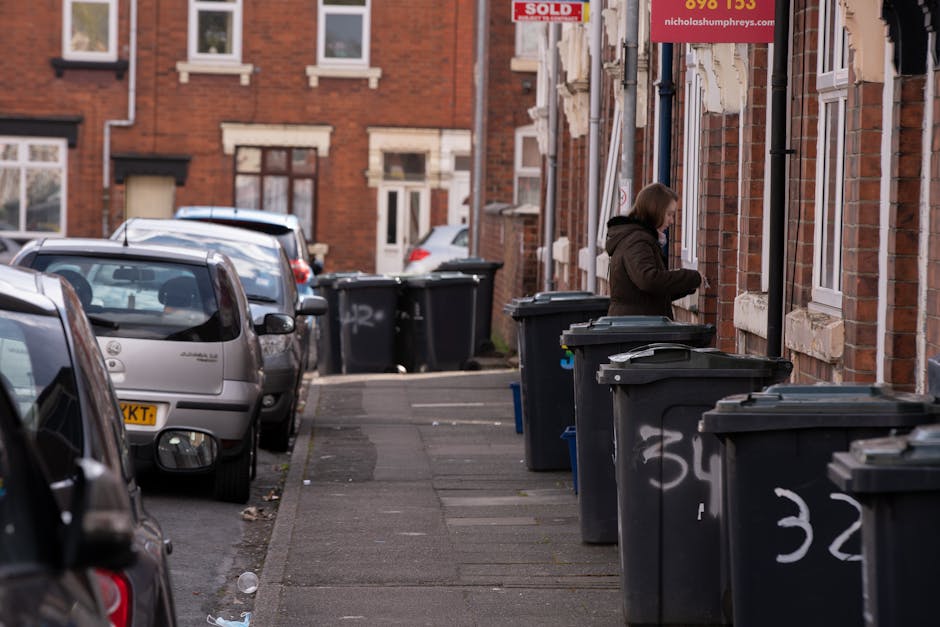
Lewisham Council Rules for Rubbish Collection in Forest Hill
If you live or work in Forest Hill, rubbish collection sounds simple until a missed bin day, a bulky item left out too early, or a bag that refuses to fit into the right container suddenly creates a problem. That is where understanding Lewisham Council Rules for Rubbish Collection in Forest Hill really helps. It is not just about putting waste on the kerb and hoping for the best. It is about knowing what can be collected, when it should be presented, how to separate materials properly, and what to do when you have more waste than a standard household collection can handle.
This guide breaks the rules down in plain English. You will find practical steps, common mistakes, compliance tips, and sensible alternatives when council collection is not the right fit. And if you are dealing with a bigger clear-out, such as a house move, office refresh, or a pile of old furniture in the hallway, the right approach can save you a lot of stress. Let's face it, nobody wants bins overflowing on a damp Tuesday morning.
Table of Contents
- Why Lewisham Council Rules for Rubbish Collection in Forest Hill Matters
- How Lewisham Council Rules for Rubbish Collection in Forest Hill Works
- Key Benefits and Practical Advantages
- Who This Is For and When It Makes Sense
- Step-by-Step Guidance
- Expert Tips for Better Results
- Common Mistakes to Avoid
- Tools, Resources and Recommendations
- Law, Compliance, Standards, or Best Practice
- Options, Methods, or Comparison Table
- Case Study or Real-World Example
- Practical Checklist
- Conclusion
- Frequently Asked Questions
Why Lewisham Council Rules for Rubbish Collection in Forest Hill Matters
Forest Hill sits inside a busy part of south-east London, where streets, terraces, flats, and mixed-use properties all create different waste patterns. That is exactly why council collection rules matter. A bag placed incorrectly, or waste left out on the wrong day, can become a nuisance fast. It is not only about keeping your own frontage tidy; it also affects neighbours, pavements, pests, and the general flow of the street.
The rules also matter because rubbish collection is one of those things people assume is flexible. In practice, it usually is not. Councils expect waste to be sorted, presented properly, and contained securely. If you live in a flat, share a bin store, or manage a property with multiple households, the margin for error gets smaller. One person's shortcut can affect everyone. That sounds dramatic, but anyone who has had to dodge a split bin bag on the pavement knows the feeling.
There is a wider reason too. Following the correct process supports recycling, reduces contamination, and keeps excess waste out of the wrong stream. For many residents, that means fewer collection problems and fewer awkward moments where the bin crew simply cannot take what has been left out.
How Lewisham Council Rules for Rubbish Collection in Forest Hill Works
In simple terms, council rubbish collection usually works on a scheduled basis with specific rules for household waste, recycling, food waste, and larger or unusual items. The exact arrangements can vary by property type and collection zone, so the first step is always to check the current council guidance that applies to your address rather than relying on guesswork from a neighbour or an old calendar on the fridge.
Most residents need to think about four practical elements:
- What goes in which container - general waste, recycling, food waste, and any special streams need to stay separate.
- When to put it out - bins and bags should be presented at the correct time, not too early and not forgotten after collection.
- How it should be packaged - loose rubbish, broken bags, and overfilled containers are common reasons for collection issues.
- What counts as bulk or specialist waste - furniture, mattresses, appliances, renovation debris, and garden waste often need a different route.
If you are clearing out a flat, a loft, or a back garden in one go, standard weekly collection may not be enough. That is where services like waste removal or a more specific clearance option can be useful, especially when you want one clean sweep rather than several frustrating trips.
Another thing people often miss: collection rules are not just about the bin itself. Access matters. If bins are blocked by parked cars, if bags are left where crews cannot reach them safely, or if waste is mixed with prohibited items, the collection may be delayed or refused. In the real world, that usually means a second round of sorting on a wet evening. Not ideal.
Key Benefits and Practical Advantages
Following the rules properly brings more benefits than people expect. Yes, it reduces the chance of missed collections. But there is more to it than that.
- Cleaner streets and shared spaces - especially important in denser parts of Forest Hill where bins may sit close to pavements and front gardens.
- Fewer smells and pests - food waste and unbagged rubbish can attract unwanted attention quickly in warmer weather.
- Better recycling outcomes - putting the right items in the right stream improves the chances they are processed correctly.
- Less stress for residents and landlords - clear routines reduce disputes in shared properties.
- Safer handling - well-contained waste is easier for collection crews to move.
There is also a money-saving angle. If you manage waste well, you are less likely to need emergency clearances, repeated trips to disposal sites, or expensive last-minute fixes. For people comparing professional support, pages like pricing and quotes can help you decide whether a one-off clearance is more sensible than trying to force everything through the normal collection route.
Practical takeaway: the best rubbish collection outcome is usually the boring one - the one where everything is sorted, contained, and put out at the right time. No drama. No spillages. No chasing up missing bags.
Who This Is For and When It Makes Sense
This topic matters to a much wider group than first-time renters. In Forest Hill, it is relevant to almost anyone who creates waste, which is to say everyone, eventually. But some people feel the impact more directly.
- Homeowners dealing with regular bins, garden cuttings, or a seasonal clear-out.
- Tenants and flat residents working with communal stores, narrow access, or strict bin schedules.
- Landlords and letting agents trying to keep a property ready between occupiers.
- Small businesses that produce trade-style waste but still need a clean, lawful solution.
- Families moving house and suddenly realising how much stuff has been quietly accumulated over the years.
It also makes sense if you are looking after a property after a bereavement, downsizing, or clearing a garage that has somehow become a museum of old boxes and half-used paint tins. To be fair, garages are often where sensible intentions go to disappear.
If the task is beyond a few bins, the council collection may not be the easiest path. In that case, options such as house clearance, flat clearance, or garage clearance can be more practical because they are designed for larger volumes and mixed items.
Step-by-Step Guidance
If you want to stay on the right side of the rules, a simple process works best. Here is a practical way to handle rubbish collection in Forest Hill without turning it into a weekly guessing game.
- Identify the waste type. Separate general rubbish, recycling, food waste, garden waste, bulky items, and anything that needs specialist handling.
- Check the current collection arrangement. Use the guidance that applies to your property rather than assumptions based on another road or a previous resident.
- Contain the waste properly. Use the right bin, tied bags, or approved containers. Avoid loose items whenever possible.
- Watch the timing. Put bins out according to the collection schedule and bring them back in promptly after emptying.
- Keep access clear. Crews need a safe route to the waste. Parked cars, locked gates, or cluttered front areas can cause a problem.
- Deal with bulky or awkward items separately. Furniture, large appliances, and renovation waste often need a different solution.
- Review what was missed. If a bin was left behind, check whether contamination, overflow, or access issues were the reason.
A useful habit is to sort waste the day before collection, not five minutes before. That little bit of planning means you catch mistakes while there is still time to fix them. It is a small thing, but it really helps.
If you have bulky household waste or a mixed clear-out, a dedicated service can save a lot of effort. You might, for example, combine furniture and household items through furniture disposal or use furniture clearance when several pieces need removing in one visit.
Expert Tips for Better Results
Here is where a little experience goes a long way. The best waste routines are usually very unglamorous, but they prevent most collection headaches.
1. Keep a small waste station inside the home. A few separate containers for recycling, general waste, and food scraps make sorting easier through the week. You are less likely to dump everything into one bag when it is already organised.
2. Flatten packaging before collection day. Cardboard takes up far more room than people expect. Flattening boxes and breaking down packaging can be the difference between a tidy bin and an overfilled one.
3. Watch for contamination. A few wrong items can ruin an otherwise good recycling load. Food residue, loose plastic, or non-recyclable film is the usual troublemaker.
4. Think ahead before clear-outs. If you know a loft is due for sorting, or a garden is about to be redesigned, plan your waste route before the pile gets too large.
5. Use the right service for the job. Standard council collection is great for everyday waste. It is not always the best answer for a full property clearance or building debris. If you need help with heavier or more mixed materials, builders waste clearance may be more appropriate.
And one more tip from the real world: do not leave a "temporary" pile in the hallway. Temporary piles have a habit of becoming permanent. Everyone knows this, no one admits it.
Common Mistakes to Avoid
Most collection issues are surprisingly avoidable. The same few mistakes keep coming up, and they are usually simple to fix once you spot them.
- Putting bins out too early and leaving them exposed for longer than needed.
- Missing collection day because the schedule was written down incorrectly or forgotten.
- Overfilling bags or containers so lids will not close or bags split in the street.
- Mixing waste streams and contaminating recycling.
- Leaving bulky items beside the bins instead of arranging the correct disposal route.
- Blocking access with parked vehicles, garden furniture, or stacked items.
- Assuming every item is council-collectable when some items need specialist handling.
One especially common issue in flats is communal bin misuse. If one household ignores the rules, everybody can feel the effect. The bin store becomes messy, smells build up, and what should have been a quick job turns into a complaint. Not exactly the morning start anyone wants.
Tools, Resources and Recommendations
You do not need fancy equipment to manage rubbish well, but a few simple tools make life easier:
- Separate indoor bins or caddies for quick sorting.
- Sturdy reusable bags for transporting waste safely to the main container.
- Labels or notes if several people share the same bin area.
- Basic gloves for handling sharp or awkward items.
- A tape measure for checking whether bulky items will fit through a doorway before collection day.
For bigger jobs, it can help to compare your options first. Residential clear-outs, office waste, garden debris, and garage contents all behave differently. A business might need business waste removal, while a property owner preparing for a move might lean towards home clearance or even loft clearance if the storage space has become unmanageable.
If sustainability matters to you, it usually should, the page on recycling and sustainability is a sensible place to understand how materials can be handled with less waste overall.
Law, Compliance, Standards, or Best Practice
When rubbish is involved, compliance is not something to skim over. In the UK, householders and businesses are generally expected to present waste safely, avoid fly-tipping, and ensure that waste is handled by appropriate, authorised channels. The exact council rules vary, but the underlying principles are steady: contain waste properly, separate it where required, and do not leave it in a way that creates hazards or nuisance.
Best practice also means thinking beyond your own doorstep. If you manage a flat block or commercial premises, waste storage needs to be tidy, secure, and accessible. Overflowing bags, blocked exits, and mixed waste can become both an operational and a reputational issue. A small bit of order now prevents bigger problems later. Sounds obvious, yet it is the detail people miss when they are rushed.
For properties undergoing refurbishment or light renovation, builders' waste is a different category from household rubbish. Bricks, plaster, timber, and rubble should not simply be added to domestic bins. That is where a service such as builders waste clearance helps keep things lawful and safer for everyone involved.
One more compliance point: if you use a clearance provider, it is wise to read the relevant terms, safety information, and policy pages before booking. Useful references on the site include terms and conditions, health and safety policy, and insurance and safety. Those pages help set expectations clearly, which is never a bad thing.
Options, Methods, or Comparison Table
If you are deciding how to handle rubbish in Forest Hill, the best method depends on volume, item type, access, and urgency. Here is a simple comparison to make the choice easier.
| Option | Best for | Strengths | Limitations |
|---|---|---|---|
| Regular council rubbish collection | Everyday household waste | Simple, familiar, built into routine | Limited volume and item types |
| Recycling collection | Separated recyclable materials | Supports diversion from landfill and cleaner disposal | Contamination can cause problems |
| Bulky waste or special collection route | Large items and awkward household waste | Better for furniture, appliances, and mixed clear-outs | May require booking or preparation |
| Professional clearance | Large, urgent, or mixed waste jobs | Fast, convenient, suited to bigger projects | Usually more costly than regular collection |
In many homes, the answer is a mix rather than one single method. Weekly bins for day-to-day rubbish, recycling for sorted materials, and a clearance service when the pile gets beyond normal levels. That combination is often the calmest option, honestly.
Case Study or Real-World Example
A typical Forest Hill scenario goes like this. A family decides to clear a spare room and part of the loft before a move. At first, it looks manageable: a few bags, an old bookcase, some broken boxes, and a mattress that has seen better days. Then the sorting starts, and suddenly the "few bags" become ten bags, plus mixed recycling, plus items too large for the weekly bin.
If they try to force everything into standard collection, they run into three issues. First, volume. Second, the bulky items. Third, access and timing, because the waste does not fit neatly into the normal routine. The better solution is usually to separate what can go in the normal bins, keep recycling clean, and use a clearance route for the rest. In this example, loft clearance would be a sensible fit, with any remaining household waste managed through the usual system.
The result is calmer, cleaner, and less rushed. More importantly, the family gets the space back without spending a weekend making repeated trips with a car full of rubbish. Which, let's be honest, nobody dreams of.
Practical Checklist
Use this before any collection day or home clear-out:
- Have I checked the correct collection day for my property?
- Are waste types separated properly?
- Are bags tied and bins not overfilled?
- Have I flattened cardboard and removed obvious contamination?
- Is there clear access to the waste area?
- Are bulky items being handled through the right route?
- Do I need a specialist clearance instead of a standard bin collection?
- Have I planned for bringing bins back in after collection?
- Have I read the relevant policy or terms if I am booking help?
- Do I have gloves, bags, or boxes ready for sorting?
That list is simple, but it catches most of the avoidable mess. A five-minute check can save a lot of back-and-forth later.
Conclusion
Understanding Lewisham Council rules for rubbish collection in Forest Hill is really about making everyday waste easier to manage. When you know what belongs where, when to put it out, and when to use a different disposal method, the whole process becomes smoother. Less clutter. Less stress. Fewer surprises on the pavement.
If your waste is small and routine, the council system should work well enough once you follow the rules carefully. If your situation is bigger, heavier, or more awkward, a professional clearance option can be a more practical path. Either way, the goal is the same: keep your property tidy, your street clear, and your waste handled properly.
Get a free quote today and see how much you can save.
And if you are standing in front of a pile of bags wondering where to begin, start with the smallest one. It is a tiny win, but tiny wins add up.
Frequently Asked Questions
What are the basic Lewisham Council rubbish collection rules in Forest Hill?
The basics are usually straightforward: sort waste correctly, use the right container, put it out on the right day, and avoid overfilling or mixing waste streams. The details can vary by property, so it is always best to check the current guidance for your address.
Can I leave extra bags beside my bin if it is full?
Usually not. Extra bags are often rejected or left behind because they can create litter, attract pests, or block access. If you regularly have more waste than your bin can hold, you may need a different disposal route.
What should I do with bulky items like furniture or mattresses?
Bulky items normally need a separate collection route or a clearance service rather than standard bin collection. Furniture, mattresses, and large household items are much easier to manage through a dedicated removal option.
How do I know if something counts as recycling or general waste?
The safest approach is to keep recyclable materials clean and separate from food-soiled or mixed rubbish. If an item is dirty, coated, or made from several materials, it may not belong in the recycling stream. When in doubt, check before adding it.
What happens if my bin is contaminated?
Contamination can lead to the bin being left unemptied or only partially collected. The usual reason is that the load contains items that do not belong there, such as food waste in recycling or recyclable items mixed into general rubbish in the wrong way.
Do I need a clearance service for a house move?
Not always, but many people find one useful during a move because waste volumes increase fast. Old furniture, loft items, broken appliances, and packing waste can overwhelm the usual collection routine surprisingly quickly.
Is garden waste handled differently from household rubbish?
Yes, garden waste is often treated as a separate stream, especially if it includes branches, soil, or large volumes of cuttings. For bigger outdoor jobs, a dedicated garden clearance can be a far cleaner option.
What if I live in a flat with shared bins?
Shared bins work best when everyone follows the same rules. Keep waste compact, avoid contamination, and make sure access is clear. In communal settings, one household's mistake can affect the whole block.
Are business premises subject to the same rubbish rules as homes?
Not exactly. Businesses often need a separate waste arrangement because the volumes and materials can differ from domestic rubbish. A business may need a more formal collection or business waste removal solution.
How can I avoid missed collections?
Check the schedule in advance, put waste out at the correct time, avoid overfilling, and keep access clear. It also helps to review your bins the evening before, not after breakfast when the collection crew may already be nearby.
What is the best option for a loft or garage full of mixed items?
For mixed items, a specialist clearance is usually easier than trying to separate everything into the weekly bin flow. Loft and garage clearances are built for awkward, uneven loads that need sorting and removal in one go.
Where can I find more practical information before booking a service?
Useful pages on the site include about us for background, contact us for enquiries, and the policy pages if you want to understand how bookings, payments, and safety are handled. It is worth a quick look before you decide.