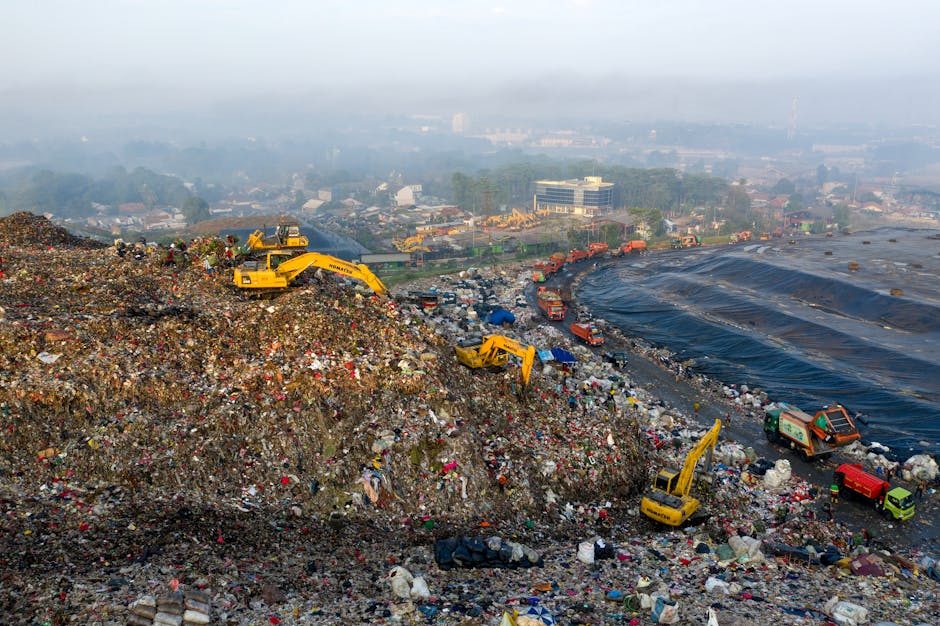
Dealing with Fly-Tipped Waste Near Sydenham Hill: A Practical, Local Guide
Finding fly-tipped waste near Sydenham Hill is never a nice surprise. One minute the street, verge, or shared access way looks ordinary; the next, there's a pile of black bags, broken furniture, builders' rubble, or odds and ends dumped where they do not belong. If you are dealing with fly-tipped waste near Sydenham Hill, the immediate question is usually simple: what should you do first, and how do you get it cleared safely without making the problem worse?
This guide walks you through the real-world steps, the practical risks, the compliance considerations, and the best way to make a sensible decision. It is written for residents, landlords, business owners, managing agents, and anyone responsible for keeping a property or access route clear. You'll also find a simple checklist, a comparison table, and a few plain-English pointers that are easy to act on. Nothing fancy. Just the stuff that actually helps.
For readers who want to understand the broader service context as well, the company's about us page, recycling and sustainability information, and health and safety policy are useful starting points for how responsible clearance should be handled.
Table of Contents
- Why Dealing with Fly-Tipped Waste Near Sydenham Hill Matters
- How Dealing with Fly-Tipped Waste Near Sydenham Hill Works
- Key Benefits and Practical Advantages
- Who This Is For and When It Makes Sense
- Step-by-Step Guidance
- Expert Tips for Better Results
- Common Mistakes to Avoid
- Tools, Resources and Recommendations
- Law, Compliance, Standards, or Best Practice
- Options, Methods, or Comparison Table
- Case Study or Real-World Example
- Practical Checklist
- Conclusion
- Frequently Asked Questions
Why Dealing with Fly-Tipped Waste Near Sydenham Hill Matters
Fly-tipped waste is more than an eyesore. It can block pathways, attract pests, create trip hazards, and quickly make a tidy corner feel neglected. Near Sydenham Hill, where roads can be busy and access points are sometimes tight, dumped waste can also interfere with parking, deliveries, bin access, and day-to-day movement. Truth be told, a small pile can become a bigger headache very quickly.
There is also a reputational side to it. For homeowners, it affects how a property feels. For landlords and managing agents, it can trigger complaints from tenants. For businesses, it can make premises look poorly run even when the issue came from someone else entirely. And if the waste includes sharp objects, chemicals, or damaged items, you have a safety problem, not just a cleanliness problem.
A lot of people underestimate how awkward fly-tipped material can be to handle. Mixed rubbish often hides things you do not want to touch: broken glass, old paint tins, needles, contaminated packaging, damp cardboard, or heavy items that need two people and the right lifting technique. It is not the sort of job you want to "just shift in the morning" and then regret by lunchtime.
There is a local practical angle too. In an area like Sydenham Hill, access, traffic flow, and neighbour relations matter. A quick, careful response often prevents the issue from spreading into a wider nuisance. That's the real point: deal with it early, deal with it properly, and you save time, stress, and in some cases money.
How Dealing with Fly-Tipped Waste Near Sydenham Hill Works
At a basic level, dealing with fly-tipped waste follows a fairly simple pattern: assess the site, make it safe, identify what can be removed, then arrange responsible clearance and disposal. The exact process depends on what has been dumped and where it sits.
If the waste is on private land, the landowner or person responsible for the site usually needs to arrange removal. If it is on the public highway or in a council-controlled space, the process may involve reporting it to the relevant local authority first. If you are not sure where the boundary sits, have a careful look before moving anything. A wrong assumption here can waste time, and nobody wants that.
In practice, a professional clearance approach usually includes:
- checking access and any immediate hazards
- sorting general rubbish from bulky or hazardous items
- loading waste safely without spreading debris
- removing items for legal disposal or recycling
- leaving the area swept and tidied where possible
The best providers will also think about protection for walls, floors, and nearby property. That matters more than people think. A heavy skip bag dragged across a narrow path, for example, can leave marks on paving or damage a boundary wall. Small detail, big irritation.
If you are comparing services, it can help to look at the provider's pricing and quotes, their insurance and safety information, and their approach to recycling and sustainability. Those pages give you a clearer sense of how the work is likely to be handled in the real world, not just on paper.
Key Benefits and Practical Advantages
When the job is done properly, the benefits go beyond simply getting rid of rubbish. You get a safer space, a better appearance, less neighbour friction, and a lower chance of repeat complaints. Simple enough, but genuinely important.
- Faster return to normal use: driveways, entrances, and walkways can be used again without the clutter.
- Reduced risk: fewer trip hazards, sharper objects left lying around, or unstable piles.
- Better presentation: a clean frontage or access route makes a better impression immediately.
- Less personal hassle: you avoid lifting heavy or dirty items yourself.
- More responsible disposal: items can be sorted for reuse, recycling, or proper waste handling.
There is another benefit that is easy to overlook: peace of mind. If you have ever stood looking at a dumped mattress or a pile of builder's waste and thought, "Right, where do I even start?" you already know why a structured clearance matters. It takes the uncertainty out of the job.
Expert summary: The best fly-tip response is not usually the fastest-looking one. It is the one that makes the site safe, removes the waste legally, and avoids a second problem like damage, contamination, or complaints.
Who This Is For and When It Makes Sense
This kind of service makes sense for quite a few people. In Sydenham Hill and the surrounding streets, the most common situations are pretty familiar.
- Homeowners: especially where waste is dumped near a driveway, side passage, garden boundary, or shared access path.
- Landlords: when former tenants, unknown third parties, or nearby activity has left rubbish behind.
- Managing agents and freeholders: if communal areas, rear access routes, or bin stores are affected.
- Businesses: where fly-tipping is affecting shopfronts, loading areas, or staff entrances.
- Contractors: if a site has been targeted overnight and materials need clearing before work can restart.
It also makes sense when the waste is mixed or awkward. One sofa is one thing. A sofa plus bags of rubble plus old paint tins plus a broken wardrobe? That's not a DIY tidy-up, that's a proper clearance job.
Sometimes the decision is about time rather than quantity. If you need the area usable today, or you want to avoid neighbours seeing the mess for another day or two, it is usually worth acting quickly. Let's face it, the longer fly-tipped waste sits, the more it starts to feel like "part of the scene". And that is not the effect anyone wants.
Step-by-Step Guidance
Here is a practical process you can follow when you find fly-tipped waste near Sydenham Hill.
- Look first, move later. Check what has been dumped and whether anything looks sharp, wet, leaking, or potentially hazardous.
- Do not disturb suspicious items. If you see chemical containers, syringes, gas canisters, or unknown liquids, keep your distance.
- Take clear photos. If you may need to report the fly-tip or show the condition of the site, photos can help.
- Check the location boundary. Private land and public land are handled differently, so confirm where the waste sits if you can do so safely.
- Separate obvious material types if safe. For example, clean cardboard, bulky furniture, and builders' waste may need different handling.
- Arrange removal promptly. If you are responsible for the land, book a clearance with the right equipment and waste controls in place.
- Ask about disposal routes. A trustworthy provider should be able to explain how the waste will be sorted and taken away.
- Inspect the area after clearance. Make sure broken glass, nails, and small fragments have not been left behind.
If you need to get in touch quickly, the company's contact page is the obvious next step. For any service terms, it is also wise to review the terms and conditions so you know what is included before the work starts.
Expert Tips for Better Results
A few small choices make a surprisingly big difference. In our experience, the cleanest jobs are usually the ones where the client gives a bit of context up front: access width, stairways, parking restrictions, whether the waste is wet, and whether anything could be hazardous. That saves time, and it also helps the team arrive prepared.
Here are some practical tips that tend to pay off:
- Photograph from a distance first. You want context as well as close-up detail.
- Keep children and pets away. It sounds obvious, but people do forget when they are halfway through a busy day.
- Do not bag everything before checking it. Some waste needs separate handling, and mixing it can make things harder.
- Ask whether the clearance includes sweeping. A lot of nuisance comes from leftover fragments, not the main pile.
- Think about timing. Early morning work can sometimes reduce disruption where access is tight.
- Choose responsible disposal over "cheap and cheerful". If the price looks too neat, ask what happens to the waste after collection.
A small but important point: if the waste is near a boundary or shared route, have a quick chat with neighbours where appropriate. That can reduce confusion and avoid the "who dumped this?" spiral, which nobody really needs on a Tuesday.
Common Mistakes to Avoid
Fly-tipped waste can become more annoying because of the response to it, not just the dumping itself. The usual mistakes are avoidable, which is good news.
- Moving unknown waste without checking it first. That is how people end up handling sharp or contaminated items.
- Leaving mixed waste to "sort itself out". Spoiler: it won't.
- Using an unverified collection arrangement. If the waste is not handled properly, the original problem can come back as a disposal problem.
- Forgetting access constraints. Big vehicles, narrow roads, low walls, and limited parking are very real on local streets.
- Assuming all rubbish is the same. Bulky furniture, green waste, rubble, and hazardous items often need different treatment.
- Waiting too long. Weather, wind, and opportunistic dumping can make a small issue much worse.
One more: do not let the job become a "we'll see later" project. These things have a habit of growing arms and legs. Not literally, thankfully, but you know what I mean.
Tools, Resources and Recommendations
You do not need a huge toolkit to deal with fly-tipped waste safely, but a few basics help if you are making the site secure before removal:
- heavy-duty gloves
- closed-toe footwear with good grip
- refuse sacks for small cleanable debris
- a torch for checking darker corners or rear access areas
- a broom and dustpan for fragments after main removal
- a camera or phone for site photos
If the waste is bulky, wet, or mixed, do not rely on household bin bags alone. They split, and once they split, you are chasing little bits of rubbish across the path like it has personal beef with you.
For a more complete service journey, these pages can help you understand the provider's standards and how the job is handled:
- how waste is recycled and managed responsibly
- the approach to health and safety on site
- insurance and safety expectations
- what happens if something goes wrong
That combination gives you a better sense of whether the clearance is being treated as a proper service, not just a quick pickup.
Law, Compliance, Standards, or Best Practice
When dealing with fly-tipped waste, compliance matters because the waste still has to be handled lawfully and sensibly. In the UK, the basic expectation is that waste is collected, transported, and disposed of by a responsible person or business with the right processes in place. You do not need to become a legal expert yourself, but you should be careful about who handles the material and where it goes.
Best practice usually means the following:
- clear identification of what is being removed
- safe handling of any potentially hazardous material
- proper loading and transport methods
- responsible recycling where suitable
- accurate paperwork or service records where applicable
If you are a landlord, business owner, or managing agent, this is not the sort of thing to be casual about. A tidy clearance is good. A traceable, sensible clearance is better. Much better.
It is also wise to keep records of what happened, especially if the fly-tip may be linked to a wider access issue or repeated dumping. Notes, dates, photographs, and any correspondence can be helpful if the issue returns. Not glamorous, but useful.
Options, Methods, or Comparison Table
There are a few ways people usually approach fly-tipped waste. Some are fine for very small, safe situations. Others are better when the site is awkward or the waste is heavy. Here is a simple comparison.
| Option | Best for | Pros | Limits |
|---|---|---|---|
| Self-clearance | Very small, safe, light waste | Fast if you already have time and equipment | Can be risky, time-consuming, and unsuitable for mixed or hazardous waste |
| Informal ad hoc help | Occasional light lifting with known items | May seem cheap at first | Often lacks proper disposal controls, insurance, or reliable timing |
| Professional clearance | Bulky, mixed, or awkward fly-tipped waste | Safer, quicker, cleaner handover, better disposal handling | Usually costs more than doing nothing, which is hardly surprising |
The short version? If the waste is simple and safe, you may be able to manage it carefully. If it is heavy, mixed, sharp, damp, or just plain awkward, a professional removal approach is usually the better call.
Case Study or Real-World Example
Imagine a narrow access point off a residential street near Sydenham Hill where a pile of dumped household rubbish appears overnight: a broken table, several black bags, a stained armchair, and a couple of cracked storage boxes. By 8 a.m., it smells a little musty, the bags have started to tear, and one box has tipped, scattering smaller items across the path.
The resident does the sensible thing first. They do not start pulling everything apart. They take photos, check for anything hazardous, and make sure children and pets are kept clear. They then arrange clearance based on the type and volume of waste, with a request that the area be swept afterwards.
What made the difference was not just removal. It was the sequence. First safety, then proper lifting, then disposal, then a final check for loose debris. That is the real-world rhythm of good fly-tip clearance. A bit unglamorous, yes, but effective.
In that kind of scenario, a provider that can explain its process clearly and point to sensible operating policies is worth more than a vague promise of "we'll sort it". That phrase is famous for causing future disappointment.
Practical Checklist
Use this quick checklist if you have fly-tipped waste near Sydenham Hill and need to decide what to do next.
- Confirm whether the waste is on private land or public land.
- Check for sharp, wet, leaking, or suspicious items before touching anything.
- Take clear photos of the site and the dumped materials.
- Keep people, pets, and vehicles away from the area if possible.
- Identify whether the waste is bulky, mixed, or potentially hazardous.
- Decide whether you need advice, reporting, or immediate removal.
- Review the provider's safety, insurance, and disposal approach.
- Ask for a clear quote and understand what is included.
- Confirm how the area will be left after collection.
- Keep a record of the incident in case the issue repeats.
That's the practical version. Nothing dramatic, just a calm way to stop a messy situation becoming a bigger one.
Conclusion
Dealing with fly-tipped waste near Sydenham Hill is really about three things: safety, speed, and responsible disposal. If you get those right, the rest tends to fall into place. The area looks better, access is restored, and you avoid the hidden problems that come with moving mixed waste in a hurry.
Whether you are handling a one-off dump, a recurring problem, or a bulky pile left by unknown third parties, the smart approach is the same: assess carefully, act promptly, and choose a clearance method that suits the site, not just the pile.
If you are ready to move forward, the next sensible step is to request a straightforward estimate and confirm the process before anyone starts lifting. For more detail on service expectations, visit pricing and quotes or get in touch via the contact page.
Get a free quote today and see how much you can save.
And if all this has felt a bit overwhelming, fair enough. Fly-tipped waste is one of those irritating jobs that looks small from a distance and much bigger up close. The good news is that it can be handled properly, and once it is, you really do get your space back.
Frequently Asked Questions
What should I do first when I find fly-tipped waste near Sydenham Hill?
Start by checking for safety risks. Do not touch anything sharp, wet, or suspicious. Take photos, keep people away from the area, and decide whether the waste is on private or public land before arranging removal.
Can I remove fly-tipped waste myself?
Only if it is small, safe, and easy to handle. If the waste is bulky, mixed, heavy, or possibly hazardous, it is usually better to arrange professional clearance. That way you avoid injury and disposal mistakes.
Who is responsible for clearing fly-tipped waste?
It depends on where the waste is. If it is on private land, the landowner or person responsible for the site usually needs to arrange removal. If it is on public land, it may need to be reported to the relevant authority first.
How quickly should fly-tipped waste be dealt with?
As soon as reasonably possible. Leaving it too long can increase safety risks, attract more dumping, and create complaints from neighbours, tenants, or visitors. A prompt response is usually the best one.
What kinds of waste are most commonly fly-tipped?
People often dump household rubbish, black bags, furniture, mattresses, builders' waste, broken appliances, and mixed scrap. In some cases, there may also be items that need careful handling, such as paint tins or sharp materials.
How do I know if waste is hazardous?
If you see leaking liquids, strong odours, syringes, gas canisters, chemical containers, or unknown substances, treat it cautiously. Do not move it unless you are confident it is safe and you have the right equipment.
Will a clearance company recycle the waste?
Responsible providers should aim to sort waste where possible and recycle suitable materials. The exact split depends on the load, but a proper provider will usually explain how items are handled after collection.
What should I ask before booking a clearance?
Ask what is included, how the waste will be handled, whether the team is insured, what happens if they find hazardous material, and whether the area will be swept after removal. A clear answer usually tells you a lot.
How can I prevent fly-tipping happening again?
There is no perfect fix, but better lighting, secure access, tidy storage, clearer signage, and quick reporting of repeated incidents can help. Sometimes small site changes make a real difference.
Does fly-tipped waste always need a same-day response?
Not always, but if the waste blocks access, includes sharp material, or creates an obvious hazard, a faster response is sensible. If it is stable and low-risk, you may have a little more flexibility, though not much.
Can I get a quote before deciding what to do?
Yes. That is often the best next step. A clear quote helps you understand the likely cost, the service scope, and whether the clearance suits the site. It removes guesswork, which is always welcome.
Where can I learn more about the company's standards?
You can review the provider's pages on about us, health and safety, insurance and safety, and recycling and sustainability to understand how the work is approached.