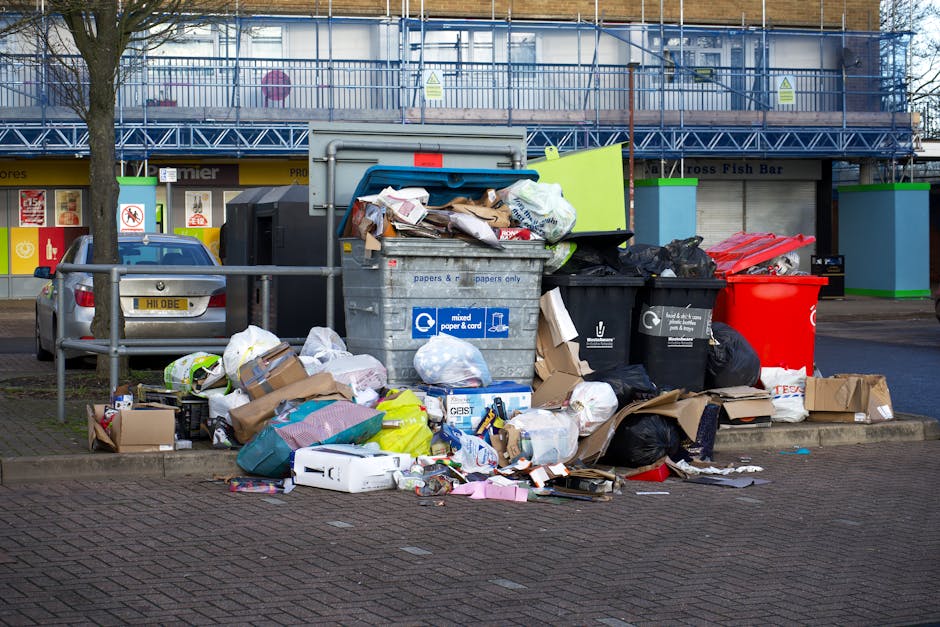
Dartmouth Road Waste Guide: Bulky Item Disposal in SE23
If you live or work near Dartmouth Road and you've got a sofa that won't fit through the stairwell, a broken wardrobe leaning in the hallway, or a pile of awkward bits in the garage, you're not alone. Bulky item disposal in SE23 can feel simple at first, then suddenly turn into a bit of a headache. What counts as bulky? Where should it go? And how do you clear it without making a mess, upsetting neighbours, or spending more time on it than the item is even worth?
This Dartmouth Road waste guide is here to make the process clear. It explains the practical options for bulky waste removal, how local clearance services usually work, what to prepare before collection, and how to avoid the common mistakes that lead to delays or extra costs. You'll also find a simple checklist, a comparison of disposal methods, and a realistic example from a South East London home. No fluff. Just useful guidance you can actually use.
For readers who want a fuller view of nearby services, it can also help to explore the main waste removal service alongside specialist options such as furniture disposal, house clearance, and flat clearance.
Table of Contents
- Why Dartmouth Road Waste Guide: Bulky Item Disposal in SE23 Matters
- How Dartmouth Road Waste Guide: Bulky Item Disposal in SE23 Works
- Key Benefits and Practical Advantages
- Who This Is For and When It Makes Sense
- Step-by-Step Guidance
- Expert Tips for Better Results
- Common Mistakes to Avoid
- Tools, Resources and Recommendations
- Law, Compliance, Standards, or Best Practice
- Options, Methods, or Comparison Table
- Case Study or Real-World Example
- Practical Checklist
- Conclusion
- Frequently Asked Questions
Why Dartmouth Road Waste Guide: Bulky Item Disposal in SE23 Matters
Bulky item disposal matters because large items create problems quickly. A single old mattress can block a bedroom, an unused wardrobe can crowd a landing, and a pile of mixed junk in a hallway can make everyday life feel cramped. In a neighbourhood like SE23, where homes, flats, terraces and shared access points all sit close together, the challenge is not just getting rid of the item. It's getting rid of it without causing hassle for anyone else.
Dartmouth Road sits in a busy part of South East London, and that means access can be tight. Parking may be limited, staircases may be narrow, and moving large furniture often takes more than one person. If you've ever tried to turn a sofa on a landing while trying not to scrape the wall, you'll know the feeling. It's not glamorous. It's just one of those jobs that sounds small until you're in the middle of it.
There's also the question of disposal quality. Not every bulky item belongs in general rubbish, and not every item should be broken apart and thrown into mixed waste. A good disposal plan helps you separate reusable, recyclable and truly unusable items. That matters for both cost and sustainability. If you want to reduce what ends up in landfill, the recycling and sustainability approach is worth considering alongside any clearance job.
In practical terms, this guide helps you make a better decision. You'll learn when to schedule a clearance, what to ask a provider, and how to sort bulky waste into sensible categories. That makes the job quicker, cleaner, and less stressful. Which, to be fair, is what most people want in the first place.
How Dartmouth Road Waste Guide: Bulky Item Disposal in SE23 Works
Bulky item disposal usually starts with identifying what you need removed and how accessible it is. That sounds obvious, but it's the bit people often skip. A heavy sofa on the ground floor is one thing. The same sofa on the top floor of a Victorian conversion, with a tight hallway and no lift, is another thing entirely.
In real-world terms, the process often looks like this:
- You list the items, ideally with photos.
- You separate anything reusable, recyclable, or sensitive.
- You decide whether you need a single-item pickup or a wider clearance.
- You arrange a quote or collection slot.
- The items are removed, loaded safely, and taken for sorting, reuse, recycling, or disposal.
For some households, that might mean one old wardrobe and a broken desk chair. For others, it could be a full room of tired furniture, boxes from a loft, or awkward items in a garage. If the job includes a lot of mixed furniture, the furniture clearance service can be a more efficient route than trying to handle each item individually.
Timing matters as well. If you're moving out, preparing a rental property, or clearing space for builders, the schedule can get tight quickly. A same-week booking can be useful, but only if you've already done a little prep. Otherwise, you may end up rushing through the job and leaving the hard bits for later. That rarely helps anyone.
Key Benefits and Practical Advantages
The biggest benefit is simple: you get your space back. But there's more to it than that. A proper bulky waste plan can also save time, reduce injury risk, and make the whole property look and feel more manageable. Sometimes one cleared room changes the mood of the whole house. The light comes back in. The air feels less trapped. Small thing, big effect.
Here are the practical advantages most people notice first:
- Less physical strain: moving heavy furniture on your own is risky, especially on stairs or in narrow hallways.
- Cleaner access routes: items can be removed without damaging walls, bannisters or communal areas.
- Faster turnaround: a focused clearance is usually much quicker than trying to piece together transport and disposal yourself.
- Better sorting: reusable and recyclable goods can be separated from general waste more responsibly.
- Less disruption: one planned visit is often easier than several trips to a depot or waiting around for ad hoc help.
There's also a trust angle. If you use a professional clearance company, you can usually expect clearer handling of the waste stream, public liability cover, and a more predictable process overall. Pages such as insurance and safety and health and safety guidance are useful if you want to understand the standards behind the service.
And yes, it can be a relief not to spend your Saturday wrestling a wardrobe into a van. Let's face it, nobody really dreams of that.
Who This Is For and When It Makes Sense
This guide is for anyone in or around Dartmouth Road who needs large items removed safely and with minimal fuss. That includes homeowners, tenants, landlords, estate agents, tradespeople, office managers and people dealing with probate or a property reset. It also suits anyone who is looking at a room full of "I'll deal with that later" items and realises later has arrived.
Bulky disposal makes sense in several common situations:
- You're replacing old furniture and need the old pieces gone first.
- You're preparing a flat for new tenants or a sale.
- You've inherited a property that needs sorting before anything else can happen.
- You're clearing a loft, garage, basement or spare room after years of storage.
- You have damaged items that are too large for regular bin collections.
- You're working on a renovation and need space for builders or decorators.
It also makes sense if you're short on time. A lot of people start by saying they'll hire a van and do it themselves, then realise the awkwardness of lifting, loading, parking and unloading. If the item is very heavy, very bulky, or too awkward to carry safely, a professional clearance route is usually the calmer option.
For business premises, it can be especially useful to look at business waste removal or, for larger workplace moves, office clearance. Different setting, same principle: don't let bulky waste slow the day down.
Step-by-Step Guidance
A good bulky item disposal job starts with clear planning. The process below keeps things simple and helps avoid the usual last-minute scramble.
- Walk through the space. Identify every large item you want removed. Be honest here. That extra chair in the corner counts.
- Separate the items by type. Furniture, white goods, timber, garden waste, broken fixtures and mixed junk may each need slightly different handling.
- Check access. Measure doorways, stair turns and any tight spots. If you're in a flat, note whether there's a lift, shared entrance or parking restriction.
- Decide what should be reused or recycled. Sometimes an item that looks done for can still be donated or repurposed. Not always, but often enough to matter.
- Take a few photos. Good photos make quoting easier and help the collection team judge the amount of work involved.
- Get a clear quote. If possible, ask what is included: labour, loading, disposal, recycling and VAT if applicable.
- Prepare the items. Empty drawers, remove loose contents, and make sure valuable or personal items are taken out first.
- Clear a route. Move smaller objects out of the way so the team can work safely and quickly.
- Confirm the disposal method. Ask how the items will be handled once collected. Reuse and recycling are good signs.
- Review the space after removal. Check for forgotten bits behind furniture or in cupboards. It happens more than you'd think.
If the job includes awkward loft access, stair-heavy movement or a lot of boxed items, it may be worth combining services. A loft clearance can handle stored bulky goods above the main living space, while a home clearance can cover multiple rooms in one visit.
Expert Tips for Better Results
Here's where a bit of planning saves real money and stress. In our experience, the smoother jobs almost always share the same habits: the client has sorted the items, access is clear, and nobody is trying to make decisions at the door while the team waits in the rain. It's that simple, really.
Tip 1: separate what can be broken down. If a wardrobe can be dismantled safely, it may be easier to remove in sections. Just don't start stripping everything apart without checking whether the structure is needed for lifting or safe handling.
Tip 2: put fragile or sharp items aside early. Old mirrors, cracked glass shelves and broken bed frames can create hidden risks. Mark them clearly or mention them in advance.
Tip 3: think about the route out, not just the item itself. A bulky sofa might fit in the room but not through the stairwell. That's a classic issue in older SE23 homes, where the object is manageable in theory and impossible in practice.
Tip 4: keep paperwork simple. If you're clearing for a landlord, agent or business, make sure everyone knows what is being removed. A quick written note can prevent a lot of "wait, that chair was staying" moments later.
Tip 5: use the job as a reset. If you're already clearing a room, consider whether that's also the right time to sort a few extra things. Not everything, mind. Just the obvious clutter. You might be surprised how much easier the space feels once the large items are gone.
For mixed waste jobs with heavier debris, builders waste clearance can be a better fit, especially after renovation or property repairs.
Common Mistakes to Avoid
Bulky waste jobs tend to go wrong in a few predictable ways. The good news is that most of them are avoidable.
- Leaving the booking until the last minute. That often means less flexibility and more pressure on the day.
- Underestimating the size of the load. One bed frame, two wardrobes and a mattress can become a much bigger job than expected.
- Failing to check access. Narrow stairs, no parking or shared entrances can affect timing and cost.
- Mixing hazardous items in with standard waste. Paint, batteries, chemicals and electrical items need separate care.
- Not removing personal contents. Drawers, cupboards and storage boxes often hide paperwork, tools or sentimental bits.
- Assuming everything will be recycled automatically. Better providers will aim to reuse and recycle where possible, but not every item can be diverted from disposal.
One more, because it comes up a lot: don't place bulky items on the pavement and assume they'll vanish. That can create obstruction, attract complaints, and in some cases become a nuisance. If you're unsure, ask first. It's the boring answer, but the right one.
Tools, Resources and Recommendations
You don't need specialist equipment for every bulky item, but a few practical tools can make the prep much easier.
- Tape measure: useful for checking whether a sofa, desk or wardrobe will fit through the route out.
- Phone camera: photographs help with quoting and remove a lot of uncertainty.
- Markers or labels: handy for separating keep, donate, recycle and remove.
- Work gloves: useful for handling rough surfaces, splinters or dusty items.
- Blanket or floor protection: helps if heavy items need to be moved along narrow floors or hallways.
For a better booking experience, it can also help to review service pages before you choose a provider. If you need a sense of pricing structure, take a look at pricing and quotes. If you want to understand the company background, about us is worth a read. And if you're simply ready to talk through the job, the contact page is the obvious next step.
For rooms filled with a mix of usable household items, house clearance can sometimes offer a cleaner solution than tackling everything one item at a time. If the items are specifically household furnishings, furniture clearance is often the more direct route.
Law, Compliance, Standards, or Best Practice
Waste disposal in the UK is guided by legal and practical responsibilities, and it's wise to treat bulky item removal with the same care you'd use for any other waste stream. The exact rules can vary depending on the item, the location, and who is carrying out the work, so it's best to check current guidance if something feels borderline.
As a general best practice, make sure that any provider you use handles waste responsibly, keeps it secure during transit, and disposes of it through appropriate channels. If you're hiring someone to remove items from your property, they should be able to explain how they manage loading, transport and sorting. That's not being fussy. That's just sensible.
For business users, keeping a record of what was removed and when can be useful. It helps with internal audits, tenancy handovers and basic accountability. For homes, the main concern is usually safety and preventing fly-tipping or accidental disposal of items that should have been kept.
Health and safety also matters during collection. Heavy lifting, broken furniture, nails, glass and unstable stacks can all become hazards very quickly. That's why it helps to work with a provider that takes risk seriously and can speak clearly about safe handling. Pages like insurance and safety and health and safety policy give useful reassurance.
If you're ever unsure whether an item is suitable for a normal collection, ask before moving it. It's much easier than sorting out the aftermath later.
Options, Methods, or Comparison Table
There are several ways to deal with bulky items in SE23. The best option depends on the item type, how much time you have, and how much lifting you want to do yourself. Truth be told, "best" usually means "least disruptive for this particular job."
| Method | Best for | Pros | Considerations |
|---|---|---|---|
| Local clearance service | One-off bulky items, mixed loads, awkward access | Fast, organised, less lifting for you | Needs a clear quote and access details |
| DIY transport | People with a van, strong helpers, simple access | Can suit small loads if planned well | Time-consuming, physically demanding, parking and loading issues |
| Reuse or donation route | Usable furniture in good condition | More sustainable, possibly lower waste | Not suitable for damaged or bulky worn-out items |
| Specialist room clearance | Lofts, garages, homes with multiple large items | Covers more space in one visit | May need more planning and a wider quote |
If the job is mostly clutter and stored items rather than a single piece of furniture, a broader service such as garage clearance or loft clearance may be more efficient. For outdoor belongings and worn garden furniture, garden clearance can be the right fit. The key is matching the method to the mess, not the other way round.
Case Study or Real-World Example
Imagine a two-bedroom flat near Dartmouth Road where the owners are preparing to move. They have a three-seater sofa, a broken chest of drawers, two office chairs, a mattress, and a stack of boxes from a bedroom cupboard. Nothing dramatic. Just the sort of pile that quietly grows until one day it's standing in the way of everything.
The first step was to sort the items into three groups: keep, remove, and review. A few books and documents were moved out of the boxes first, because nobody wants personal papers accidentally bundled into disposal. Then the access route was checked. One narrow turn on the stairs made the sofa the most awkward item, so it was noted in advance.
Once the job was booked, the hallway was cleared, the items were stacked near the exit, and the team removed everything in one visit. The sofa was taken carefully, the smaller items were loaded after, and the property was left ready for cleaning. It wasn't a dramatic transformation, but the difference was immediate. The flat felt bigger. Quieter too, somehow.
That's the real value here. Bulky item disposal isn't just about getting rid of stuff. It's about clearing the path for whatever happens next.
Practical Checklist
Use this quick checklist before booking or collecting bulky items in SE23:
- List every item you want removed.
- Check whether anything can be reused, donated or recycled.
- Measure tight spaces, stairs and doorways.
- Take photos of the items and access route.
- Remove valuables, papers and personal belongings from drawers and cupboards.
- Clear a path from the item to the exit.
- Ask what is included in the quote.
- Confirm timing, parking and entry arrangements.
- Separate hazardous items if you have any.
- Check the space after removal so nothing is left behind.
Useful reminder: if the job feels bigger once you've started sorting, that's normal. People nearly always underestimate the hidden bits. One small cupboard can contain a surprising amount of life, if that makes sense.
Conclusion
Bulky item disposal on Dartmouth Road does not have to be complicated. With a little planning, a clear idea of what needs removing, and the right type of clearance support, you can turn a cluttered space into something usable again without the usual chaos. The main thing is to match the method to the job: single items, mixed furniture, loft storage, garage clutter or a full house reset all need slightly different handling.
Good disposal is not just about speed. It's about safety, access, recycling where possible, and making sure the job is done cleanly the first time. If you get those basics right, the rest tends to follow. And once the bulky stuff is gone, the room feels lighter. More open. A bit easier to breathe in, honestly.
If you're comparing services or getting ready to book, it may also be useful to review the company's broader support pages, including terms and conditions, payment and security, and the main homepage for an overview of available services.
Get a free quote today and see how much you can save.
If you only do one thing after reading this guide, make it the simple one: measure the item, clear the route, and ask the right questions. That small bit of effort can save a lot of stress later.
Frequently Asked Questions
What counts as a bulky item in SE23?
Bulky items are generally large objects that won't fit into normal bins or standard household waste collections. Common examples include sofas, mattresses, wardrobes, beds, desks, chairs and large appliances. If you're unsure, think about whether the item needs two people to move it safely.
Can I leave bulky waste on the pavement near Dartmouth Road?
It's usually better not to assume that pavement placement is acceptable. Items left outside can create obstruction, safety issues or complaints. If you need removal, it's safer to arrange a proper collection and confirm the access and timing in advance.
Is it better to hire a bulky waste service or hire a van myself?
That depends on the size of the job and how much lifting you want to do. A van hire route may suit a simple, small load. A professional clearance service is often better for heavy, awkward or time-sensitive items, especially where stairs or tight access are involved.
How should I prepare furniture for collection?
Empty drawers and cupboards, remove personal items, and clear a route to the exit. If safe, you can dismantle furniture to make it easier to carry. Photos are useful too, especially if you want a clearer quote before booking.
What happens to the items after they're collected?
That depends on the condition of the items and the service used. Good practice is to sort items for reuse, recycling and disposal where possible. If you're hiring a provider, ask how they handle the waste stream and whether anything can be diverted from landfill.
Do I need a special service for old office furniture?
If the items come from a workplace, office furniture and equipment are often best handled through a dedicated office clearance or business waste service. That's especially helpful if there are desks, filing cabinets, chairs or mixed business contents to remove.
Can bulky items be collected from flats with no lift?
Yes, often they can, but access details matter. Stairs, narrow landings and parking restrictions can affect the time needed and the handling plan. It's always worth explaining the layout before the collection date.
What if I have a lot more than one item?
If the job has grown beyond a single item or two, consider a wider service such as home clearance, house clearance or garage clearance. That can be more efficient than handling everything separately.
Are there items that need special handling?
Yes. Hazardous materials, certain electrical items, chemicals, batteries and items with sharp or broken parts may need separate handling. If an item feels risky, mention it in advance rather than leaving it to chance. That way, nobody gets surprised on the day.
How do I know if I'm getting a fair quote?
A fair quote should explain what is being removed, how access affects the job, and what is included in the price. If you're comparing options, the pricing and quotes page can help you understand the approach before you commit.
What should I ask before booking a bulky waste collection?
Ask about access requirements, what types of waste are accepted, how recycling is handled, whether labour and loading are included, and whether there are any exclusions. A few direct questions upfront can save a lot of confusion later.
Is furniture always disposed of, or can it be reused?
Sometimes furniture can be reused if it is still in good condition. If it's worn out, damaged or unsafe, disposal may be the only sensible option. The best route depends on the item's condition, age and practicality for reuse.
Where can I find more information about service standards and policies?
You can review company information such as about us, health and safety policy, and insurance and safety for a clearer picture of how the service is run. Those pages are useful when trust and accountability matter to you.